







What is Orange Wine?
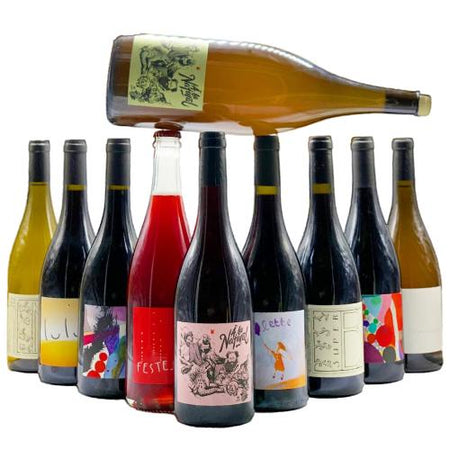
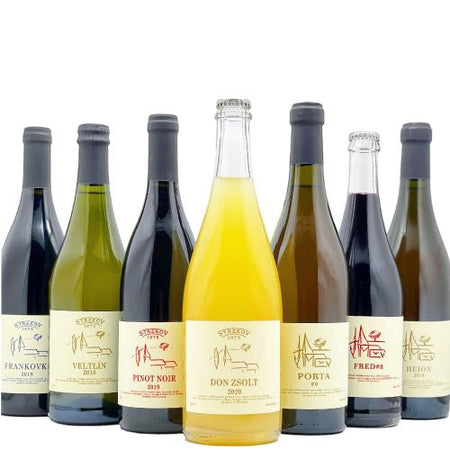
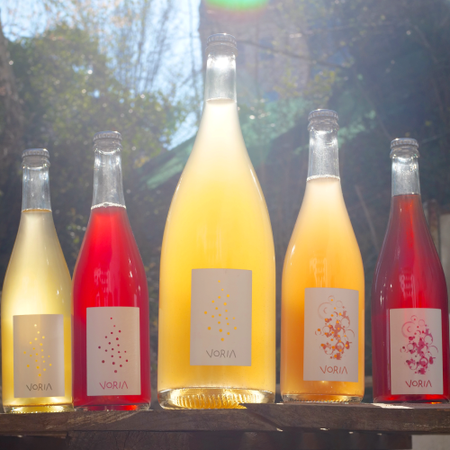
Orange wine, often otherwise known as skin-contact wine or amber wine, is essentially a white wine that has been macerated with the skins of the g...
Read more




Gvatsa is Baia's sister

EPIC FLAVOUR PROFLE !!!! Try this!

Tsistka Pet Nat

Cult MILD Skin-Contact

Clean, Salty, Mineral Driven

Amazing Winemaker

Georgian Pet Nat!

Amazing Winemaker

EXCEPTIONAL! Try this

EPIC FLAVOUR PROFLE !!!! Try this!
The Abuladze family have made wine at Obcha in Imereti for generations, mostly for themselves. In 2015 Baia and her sister Gvantsa decided to do it properly and commercially, with their brother Giorgi alongside them, using the indigenous varieties and the methods their grandparents used. Baia was the first winemaker in Baghdati Municipality to be certified chemical-free, which mattered in a region only just rediscovering what it had.
Imereti works differently from the better known Kartli and Kakheti in the east. The Imeretian method uses only around 5 to 30 per cent of the skins during fermentation, where Kakheti uses the lot. The result is a paler, more delicate amber with much softer tannin, which is why Imeretian wine is often the easiest way into Georgian wine for someone who has never had any.
The range splits neatly between them. Baia takes the classic Imeretian whites, Tsolikouri, Tsitska and Krakhuna. Gvantsa makes the reds from Aladasturi and Otskhanuri Sapere, and both of them make pét nats, which are among the most purely enjoyable bottles the winery produces.
Tsistka Pet Nat
Gvatsa is Baia's sister
Amazing Winemaker
Cult MILD Skin-Contact
Clean, Salty, Mineral Driven
The wine to meet first is the Tsitska Tsolikouri, the two defining Imeretian whites fermented together with about a month on skins in Qvevri. It comes out amber, fresh, faintly nutty and floral, and tastes like nowhere else. There is also a three-grape version with Krakhuna in the blend.
The single varieties are worth knowing individually. Baia’s Tsitska is the brighter, more linear one. Baia’s Tsolikouri has more weight through the middle. The Krakhuna is the big one, a thick-skinned grape that brings real tannin and grip, and it is the bottle to open if you want to understand what amber wine can do with structure.
On the red side, Gvantsa’s Otskhanuri Sapere is dark, savoury and properly Georgian. For something lighter on its feet, Gvantsa’s Tsitska Pét Nat is gently fizzy, lively and unlike any other sparkling wine you will drink this year.
The Qvevri is the whole thing. Large beeswax-lined clay vessels buried to the neck in the cellar floor, holding a steady temperature year round with no cooling, no tanks and no electricity involved. Grapes are foot-trodden and go into the Qvevri with their skins. Fermentation starts on its own, from the yeasts on the fruit and in the cellar. No sulphur goes in, and neither does anything else.
In the vineyards the family works chemical-free and holistically across small plots around Obcha, with varieties that have spent centuries adapting to this specific corner of western Georgia. The job, as they see it, is mostly to get out of the way.
Worth remembering that Georgia is where wine starts. Qvevri winemaking here goes back at least 8,000 years and UNESCO lists it as Intangible Cultural Heritage. Baia, Gvantsa and Giorgi are not inventing anything. They are keeping something very old running, and doing it extremely well.
Shop a huge range of 1200+ natural wines - with free shipping options too!
Trust us. We've delivered 30.000+ orders to natural wine lovers! All orders are insured delivery.
Watch producer documentaries, interviews & top wine recommendations on our social channels.
Want advice? We love to help! Get in touch for personalised wine recommendations.
They give you crap wines that are often their stock not selling and have nothing to do with your wine style. We're gonna change that.
We've created a club with three tiers, that is actually curated and ideal for the type of wine drinker your are.

The village of Obcha in Imereti, western Georgia. The Abuladze family have farmed there for generations and the siblings Baia, Gvantsa and Giorgi started the winery under their own name in 2015.
Imereti ferments with only about 5 to 30 per cent of the grape skins, where Kakheti in eastern Georgia uses all of them. That gives a paler amber colour and much softer tannins. Everything still happens in Qvevri, the clay vessels buried in the cellar floor.
All indigenous Georgian varieties. Baia works with Tsolikouri, Tsitska and Krakhuna for the whites and ambers. Gvantsa makes the reds from Aladasturi and Otskhanuri Sapere. Both make pét nats.
No sulphur is added at any stage, and nothing else is either. Small amounts of sulphites occur naturally in all wine as a by-product of fermentation, so no wine is ever truly sulphite-free.
A large egg-shaped clay vessel, lined with beeswax and buried up to its neck in the cellar floor. The earth holds the temperature steady all year, so fermentation and ageing happen without any technology at all. Qvevri winemaking is at least 8,000 years old and is listed by UNESCO as Intangible Cultural Heritage.
Around 8,000 bottles a year, with roughly 30 per cent exported. It is genuinely small and it sells out, so allocations here come and go.
Orange wine, often otherwise known as skin-contact wine or amber wine, is essentially a white wine that has been macerated with the skins of the g...
Read more