







What is Orange Wine?
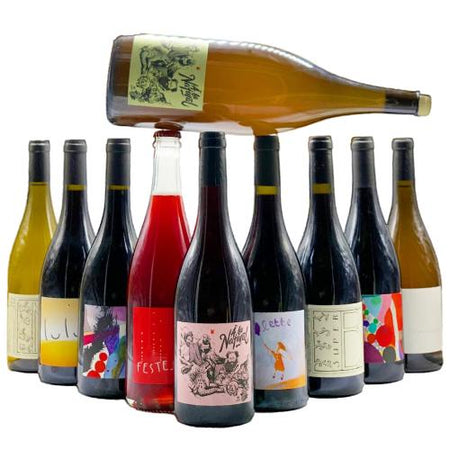
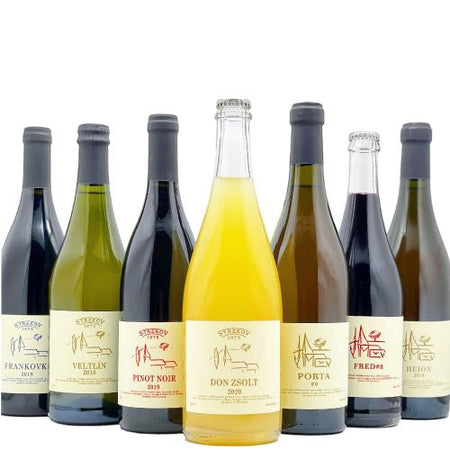
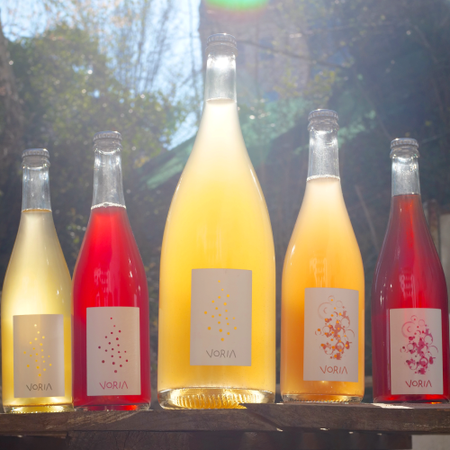
Orange wine, often otherwise known as skin-contact wine or amber wine, is essentially a white wine that has been macerated with the skins of the g...
Read more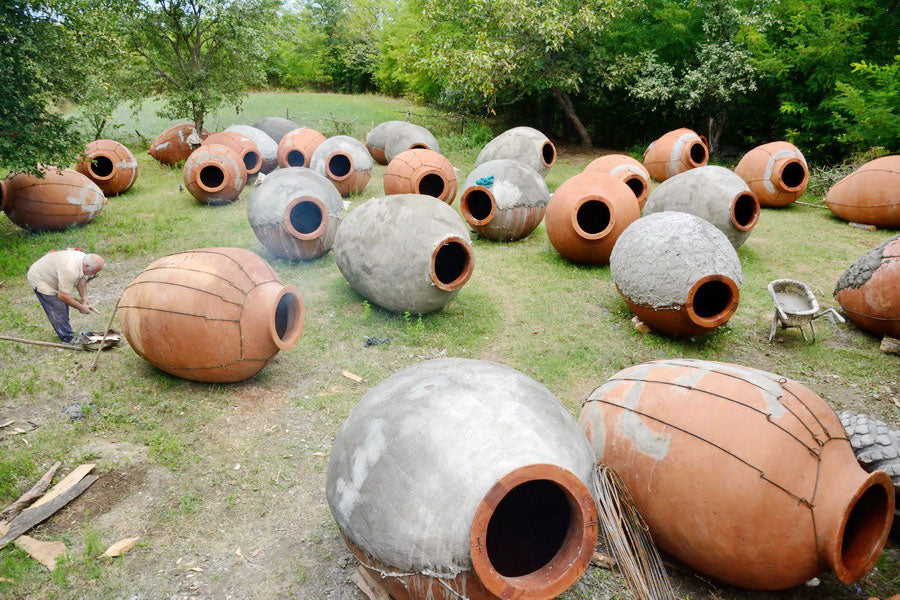




Made by Iago's wife
Iago started making wine at Chardakhi in Mtskheta in 2003, working from his grandfather’s methods and the family’s old Chinuri vines in the Mukhrani Valley. Kartli sits in central Georgia and behaves quite differently from Imereti in the west or Kakheti in the east: a continental climate and limestone-heavy soils that give Chinuri its freshness and its herbal edge.
In 2005 he became the first producer in Georgia certified chemical-free. In 2009 he wanted to find other Qvevri winemakers to taste with, organised a small tasting, and could only turn up four serious producers in the entire country. That tasting became the New Wine Festival in Tbilisi, which was hosting over eighty winemakers by 2017 and is now one of the fixed points in the natural wine year.
Without Iago the Georgian revival looks very different, and probably a lot slower.


Tsistka Pet Nat

Amazing Winemaker

Gvatsa is Baia's sister
Chinuri is the signature white grape of Kartli, and it is most of what Iago makes. The Chinuri comes as a skin contact wine with around six months on skins in Qvevri, which gives a deep amber with real grip, and there is a lighter version made the same way without the extended maceration.
The Blend brings Gorule Mtsvane in alongside the Chinuri, which adds an aromatic lift over the top of the structure. Marina’s Mtsvane is hers rather than his, made in the same cellar, and it is the more perfumed, fruit-driven side of the house.
The detail that makes this winery unusual is that Iago never blends his Qvevri. Each vessel is bottled separately and numbered, so a bottle traces back to one specific vessel in one specific year. He has twenty-two in total, fourteen for fermentation and eight for ageing, and some are more than 250 years old.
Total production runs to around 5,000 bottles a year and effectively all of it is exported, which is why these turn up on good lists everywhere and in very few shops.
The two hectares at Chardakhi are farmed chemical-free and holistically, with the sort of traditional and ecological methods that never actually went away here. The Chinuri vines are sixty years old, which is old enough to crop lightly and concentrate properly, and deep enough to find their own way through the limestone of the Mukhrani Valley.
In the cellar it is about as elemental as winemaking gets. Grapes go into the buried Qvevri with their skins. Fermentation starts by itself. For the skin contact wine the must stays on skins for six full months before moving to a separate ageing Qvevri. No sulphur goes in at any stage.
The vessels themselves are remarkable objects. Lined with beeswax and sealed, a Qvevri is essentially inert, and the surrounding earth holds it at a steady temperature all year with no intervention at all. Some of the ones in Iago’s cellar were used by his grandfather. The wines taste like they were made this way.
Shop a huge range of 1200+ natural wines - with free shipping options too!
Trust us. We've delivered 30.000+ orders to natural wine lovers! All orders are insured delivery.
Watch producer documentaries, interviews & top wine recommendations on our social channels.
Want advice? We love to help! Get in touch for personalised wine recommendations.
They give you crap wines that are often their stock not selling and have nothing to do with your wine style. We're gonna change that.
We've created a club with three tiers, that is actually curated and ideal for the type of wine drinker your are.

The village of Chardakhi in Mtskheta, in the Kartli region of central Georgia. Two hectares of 60-year-old Chinuri vines in the Mukhrani Valley, on limestone soils.
An indigenous white grape and the signature variety of Kartli. It has high natural acidity and a herbal lift. Iago makes it as a deep amber skin contact wine with around six months on skins, and as a lighter version without the extended maceration.
Because he never blends between his Qvevri. Each vessel is bottled and numbered on its own, so every bottle traces back to one specific vessel and vintage. He has twenty-two Qvevri, fourteen for fermentation and eight for ageing, and some are over 250 years old.
No sulphur goes in at any point, and neither does anything else. Small amounts of sulphites occur naturally in all wine as a by-product of fermentation, so no wine is ever truly sulphite-free.
An annual celebration of traditional Qvevri wine in Tbilisi. Iago founded it after trying to organise a tasting in 2009 and finding only four serious Qvevri producers in Georgia. It was hosting over eighty winemakers by 2017.
Iago's wife, who makes her own wines in the same cellar. She works mainly with Mtsvane, which gives a more aromatic, fruit-driven wine than Iago's more structured Chinuri.
Orange wine, often otherwise known as skin-contact wine or amber wine, is essentially a white wine that has been macerated with the skins of the g...
Read more